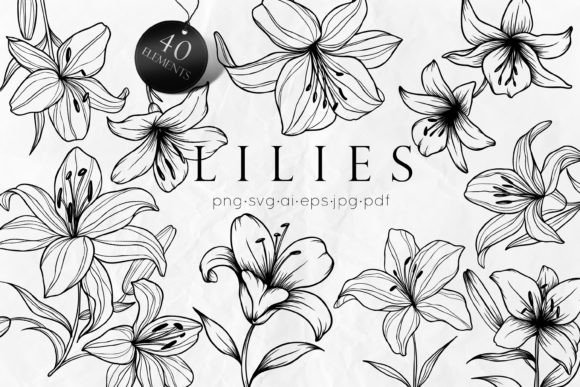
Lily Flowers Line Art SVG: A Designer's Real-World Review
When I first opened the Lily Flowers Line Art SVG on my screen, I wasn't looking for flashy colors or complex shading. As someone who spends hours digitizing and stitching for clients, I was looking for clean lines, logical flow, and a mood that translates well from vector to thread. This set of Illustrations immediately struck me with its minimalist elegance. The linear style suggests a modern, airy aesthetic that feels perfect for contemporary home decor or boutique apparel. However, seeing a graphic on a monitor is vastly different from watching a needle punch through fabric. My goal in this review is to walk you through how these Graphics hold up when moved from a digital file to a tangible, stitched reality.
The First Impression: Mood and Visual Personality
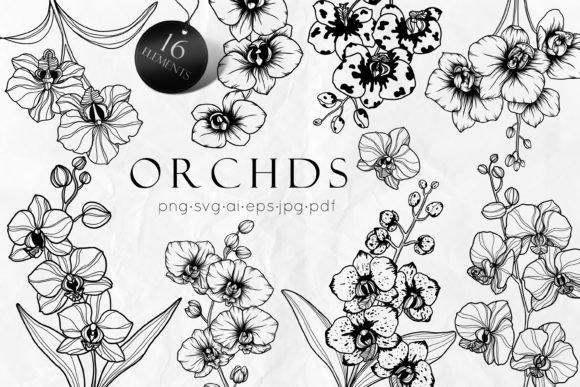
The defining characteristic of the Lily Flowers Line Art SVG is its restraint. In a market saturated with overly dense floral patterns, these lilies breathe. The lines are deliberate, capturing the organic curve of the petals and the slender grace of the stamens without unnecessary clutter. For an embroidery designer, this simplicity is a double-edged sword; it offers versatility but demands precision. There is nowhere for sloppy stitching to hide. The visual personality here is sophisticated and calm, making it an ideal candidate for projects where subtlety is valued over boldness. Whether you are creating a personalized gift for a wedding or branding materials for a small shop, this design carries a sense of professionalism and refined taste.
Real-World Application: From Screen to Stitch
To truly test the viability of this design, I imagined a specific client scenario: a custom order for a local boutique needing a series of tote bag designs for their spring collection. The client wanted something that looked hand-drawn but needed to be durable enough for daily use. The Lily Flowers Line Art SVG fit this brief perfectly. Because the elements are provided in various vector formats and transparent PNGs, combining them into a unique composition was seamless. I could easily arrange the lilies to wrap around a corner or create a border without losing resolution.
In terms of embroidery project execution, line art often translates best into running stitches or very light fill stitches. If you are using this as a machine embroidery design, you will likely want to ensure your digitizer (or you, if you are doing the editing) maintains the integrity of those thin lines. On a canvas tote, a slightly heavier thread weight might be necessary to make the design pop, whereas on a fine linen tea towel, a standard 40-weight thread would preserve the delicate nature of the original Illustrations. The result is a finished product that feels high-end and intentional, rather than mass-produced.
Versatility Across Products
The adaptability of these Graphics extends far beyond tote bags. I can easily envision this design working as:
- Sweatshirt Embroidery: Placed on the chest or sleeve for a subtle, trendy look on custom apparel.
- Baby Embroidery: The soft lines are gentle and non-intrusive, perfect for nursery decor or baby blankets.
- Embroidered Patches: The clear outlines make it an excellent candidate for cut-and-sew patches that can be applied later.
- Holiday Embroidery: With a change in thread color, these lilies can shift from spring pastels to stark winter whites or deep autumn tones.
- Commercial Embroidery: Ideal for uniform branding where a clean, recognizable logo is essential.
For Etsy sellers and craft business owners, the ability to scale these elements without pixelation is a huge plus. You can create a cohesive brand identity across different small shop products, from aprons to pillow covers, ensuring your customers recognize your style instantly.
Critical Considerations for Execution
While the Lily Flowers Line Art SVG is beautiful, it requires thoughtful handling during the stitching process. Line art is unforgiving on certain surfaces. If you are working with textured fabrics like heavy tweed or looped towels, the fine details of the lily petals might get lost or appear jagged. In these cases, I recommend testing the design on a scrap piece of your actual material first.
Furthermore, consider your hoop size and the scale of the design. If you shrink these Illustrations too small for a cap or a narrow cuff, the thin lines may break or fail to register clearly. Conversely, blowing them up too large on a stretchy fabric without proper stabilization can lead to distortion. Speaking of stabilization, using the correct stabilizer is non-negotiable. For knits or stretchy garments, a cut-away stabilizer is often safer than tear-away to prevent the design from puckering over time, especially since line art relies on consistent tension to look crisp.
Color and Contrast Strategy
One of the strengths of this design is its neutrality, but this also means thread colors play a pivotal role. On dark fabrics, a single color might not provide enough contrast if the lines are too thin. You might need to adjust the stitch density or opt for a slightly thicker outline to ensure visibility. I always advise running a black-and-white mockup before committing to thread. This helps you see if the design holds its shape purely through form, independent of color. If it looks good in grayscale, it will likely succeed in color.
Building Trust and Value
Ultimately, the choice of design assets impacts your brand perception. Using high-quality, well-thought-out files like the Lily Flowers Line Art SVG signals to your customers that you care about the details. It enhances the perceived value of your handmade product. When a customer receives a custom apparel item or a personalized gift with clean, professional stitching, it builds trust. They are more likely to return or recommend your shop. For digital product sellers, offering these files as part of a bundle with clear usage instructions can also boost buyer engagement and satisfaction.
Final Verdict and Practical Notes
The Lily Flowers Line Art SVG is a robust tool for the creative entrepreneur. It bridges the gap between artistic illustration and practical embroidery. However, success lies in the preparation. Before launching into a full production run or listing a new item in your store, take these steps:
- Test on Scrap: Always stitch a sample on the exact fabric you intend to use.
- Check Licensing: Confirm the terms for commercial use if you plan to sell finished items or digital derivatives.
- Review Density: Ensure the stitch count and density are appropriate for your specific machine and fabric type.
- Inspect Details: Zoom in on the vector file to check for any stray nodes or gaps that could cause stitching errors.
- Compare Backgrounds: Visualize the design on both light and dark backgrounds to plan your thread palette effectively.
In conclusion, these Illustrations offer a timeless appeal that fits seamlessly into modern design trends. With careful attention to fabric choice, stabilization, and scaling, the Lily Flowers Line Art SVG can elevate your embroidery file library and help you create stunning, marketable pieces that resonate with buyers. It is a design that rewards precision and offers a clean slate for your creativity to flourish.