Bouquet Wild Flowers: A Designer's Review for Real Embroidery
As a designer who spends more time staring at stitch simulations than I do sleeping, I approach every new machine embroidery design with a healthy dose of skepticism. We have all seen those beautiful Illustrations and Graphics online that look stunning on a screen but turn into a tangled mess of thread breaks and puckering once they hit the hoop. So, when I first laid eyes on the Bouquet Wild Flowers set, my immediate reaction wasn't just admiration for the aesthetic; it was a mental checklist of technical feasibility. This isn't just about whether it looks pretty; it's about whether it can survive the rigors of a real-world embroidery project intended for sale or gifting.
The First Impression: Organic Flow vs. Stitch Reality
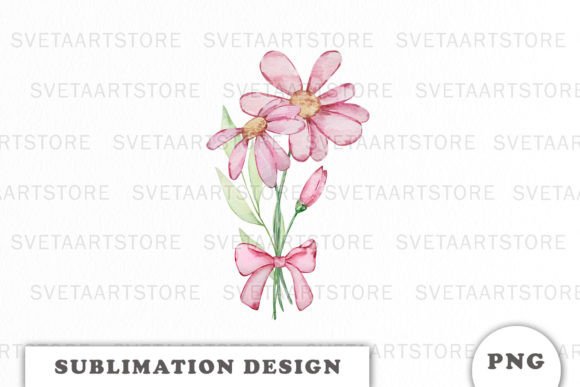
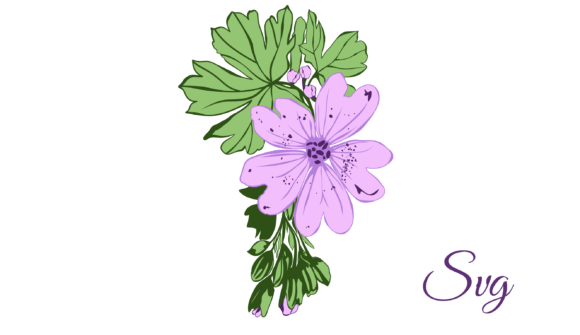
The initial visual impact of Bouquet Wild Flowers is undeniably strong. It captures that specific "wild garden" mood—loose, organic, and slightly untamed—which is currently trending heavily in boutique home decor and custom apparel. The layout suggests a natural clustering of blooms and geranium leaves, avoiding the rigid symmetry that often makes machine work look robotic. However, from a technical standpoint, this organic flow presents both opportunities and challenges. The intricate detailing promised in the description implies a reliance on fine running stitch outlines and potentially dense fill stitch areas to capture the texture of petals and foliage.
My primary concern with any floral graphic of this nature is the translation from vector-like clarity to physical thread. In a digital printable mockup, a thin stem is just a line. In embroidery, that stem needs enough width to hold the thread without breaking. If Bouquet Wild Flowers maintains its delicate appearance without sacrificing structural integrity, it will be a winner. If the details are too microscopic for standard 40-weight thread, we risk losing the definition that makes the design special.
Real-World Application: The Tote Bag Test Case
To truly evaluate this design, I imagined a specific scenario: a custom order for a local farmer's market vendor needing branded tote bag design elements. She wants something that feels handmade but professional. Placing Bouquet Wild Flowers on a canvas tote is an ideal test. Canvas provides a stable base, reducing the risk of puckering, which allows the stitch density to shine.
In this context, the design works beautifully as a central focal point. The wildflower theme aligns perfectly with the eco-friendly vibe of reusable bags. For an Etsy seller or small shop product creator, this graphic offers high perceived value. Customers love the look of a complex, multi-color floral arrangement, assuming it translates well. The key here is color selection. Using variegated thread colors could enhance the "wild" feel, giving the petals a natural gradient that solid colors might miss. However, one must be careful not to introduce too many color stops, which increases production time and the likelihood of user error during trimming.
Versatility Across Products
Beyond tote bags, where else does Bouquet Wild Flowers fit? The versatility of this digital embroidery file seems broad, but it requires strategic placement:
- Sweatshirt Embroidery: On a fleece or French terry sweatshirt, this design could serve as a chest pocket accent or a larger back piece. The texture of the fabric adds depth, but you must use a robust cutaway stabilizer to prevent the heavy stitching from dragging the knit fabric down over time.
- Baby Embroidery: For nursery decor or baby onesies, the soft, organic shapes are perfect. However, safety and comfort are paramount. Ensure there are no long, loose jumps on the backside that could irritate sensitive skin, and consider simplifying the density if the garment will be washed frequently.
- Holiday Embroidery: With slight color tweaks, wildflowers can transition into spring Easter gifts or even summer wedding favors. It lacks the specific iconography of Christmas, making it a year-round asset for your craft business.
- Embroidered Patch: If digitized with a merrow border or a satin stitch edge, this would make a fantastic iron-on patch. Patches allow you to stitch the design on stable twill before applying it to difficult garments like caps or waterproof jackets.
Technical Caution Zones
While Bouquet Wild Flowers has immense potential, it is not a "load and go" solution for every situation. There are specific scenarios where caution is required. First, consider hoop size. Floral bouquets often have sprawling dimensions. If the design exceeds your available hoop area, you might be forced to split the design, which is a nightmare for alignment unless you are highly experienced. Always check the dimensions before committing to a project.
Secondly, be wary of textured or stretchy fabrics. If you attempt this on a pique polo or a thin rayon shirt, the fill stitch areas might cause significant puckering. The "intricately drawn" nature mentioned in the product description suggests fine details that could get lost on a looped towel or a fuzzy blanket. For these fabric texture challenges, I recommend running a test on scrap material identical to your final product.
Furthermore, dark fabrics present a contrast issue. If the design relies on light pastels, it may vanish against navy or black backgrounds. You might need to manually adjust the thread chart in your software to ensure the finished product pops. Never assume the default color sequence provided with the embroidery file will work for every background.
Enhancing Brand Value and Customer Trust
Ultimately, the choice of design assets like Bouquet Wild Flowers directly impacts your brand consistency and customer trust. A clean, well-executed floral embroidery signals professionalism. It tells the buyer that you care about aesthetics and quality. Conversely, a design that pulls, gaps, or loses detail can damage your reputation as a commercial embroidery provider.
When used correctly, this graphic elevates a simple item into a personalized gift or a high-end boutique piece. It adds a layer of artistry that mass-produced prints cannot replicate. For apparel decorators, having a reliable, good-looking floral option in your library means you can say "yes" to last-minute requests for bridal party gifts or spring collections without scrambling for a new design.
Final Verdict and Designer Notes
Before you dive into production with Bouquet Wild Flowers, treat it like any other critical component of your workflow. Do not skip the prep work. Here is my practical advice for getting the best results:
- Test First: Always stitch out on scrap fabric of the same weight and type as your final item. Check for registration issues between color layers.
- Check Density: Inspect the stitch density in your editing software. If it looks too solid, consider reducing the fill percentage slightly to improve drape and reduce thread consumption.
- Stabilizer Strategy: Match your stabilizer to the fabric. Use cutaway for knits and stretchy materials, and tear-away for stable wovens like cotton or linen.
- Licensing Check: Since this is a graphic set intended for various uses, confirm the licensing terms. Are you allowed to sell the finished product commercially? Can you use it for digital design assets? Never assume; read the fine print to protect your small business.
- Mockup Variety: Create mockups on both light and dark backgrounds to see how the design holds up visually before marketing it to clients.
In conclusion, Bouquet Wild Flowers appears to be a versatile and aesthetically pleasing addition to a designer's library, provided it is handled with technical respect. It bridges the gap between delicate illustration and durable embroidery, offering a fresh look for custom apparel, home goods, and accessories. By understanding its limitations regarding fabric choice and hoop constraints, you can leverage this design to create stunning, profitable, and memorable items that customers will cherish.