Wooden Cross with Daisy Flowers: Graphics & Backgrounds
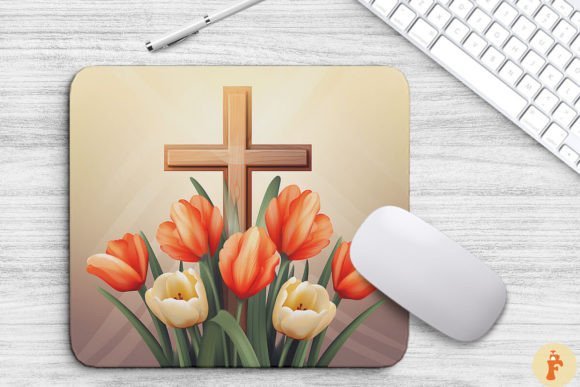
When I first pulled up the Wooden Cross with Daisy Flowers asset on my screen, my immediate reaction was one of grounded serenity. In the world of professional graphic design, finding a balance between spiritual symbolism and approachable aesthetics is often a challenge. Many religious graphics lean too heavily into traditional, stiff iconography or overly ornate baroque styles that feel dated in a modern marketplace. This particular piece, however, strikes a refreshing chord. It combines the rustic, organic texture of wood with the delicate, cheerful simplicity of daisies. As a designer reviewing this for a potential client project—specifically a boutique faith-based lifestyle brand launching a new spring collection—I found the mood to be exactly what is needed for contemporary small business branding. It feels handmade, authentic, and warm, which are critical emotional triggers for today's consumers.
Integrating Rustic Faith into Modern Brand Identity
The core strength of this graphic design asset lies in its versatility within the Backgrounds and Graphics categories. For the hypothetical client I am envisioning—a handmade business selling faith-inspired home decor and apparel—this image serves as a perfect anchor for their brand identity. The wooden texture provides a neutral, earthy base that suggests durability and tradition, while the daisy flowers introduce a layer of softness and renewal. This combination is ideal for projects aiming to evoke feelings of peace, growth, and natural beauty.
In terms of practical application, I can see this working exceptionally well for packaging design. Imagine a kraft paper box for a set of prayer journals or a limited-edition candle line; placing this graphic as a central label creates an instant connection with the buyer. It also translates beautifully to product mockups for print-on-demand services. Whether it is applied to a tote bag, a ceramic mug, or a throw pillow, the contrast between the brown wood tones and the white and yellow of the daisies ensures the design remains visible without being aggressive. For an Etsy product listing, using this as the primary visual on a banner or within a collage helps establish a cohesive thematic collection.
Performance Across Digital and Physical Media
One of the most important aspects of reviewing any digital product is assessing how it performs across different mediums. The Wooden Cross with Daisy Flowers shines in several key areas:
- Social Media Graphics: The composition is balanced enough to serve as a standalone post for Instagram or Pinterest. It works particularly well for quote graphics, where the text can be overlaid on the wooden sections without losing readability.
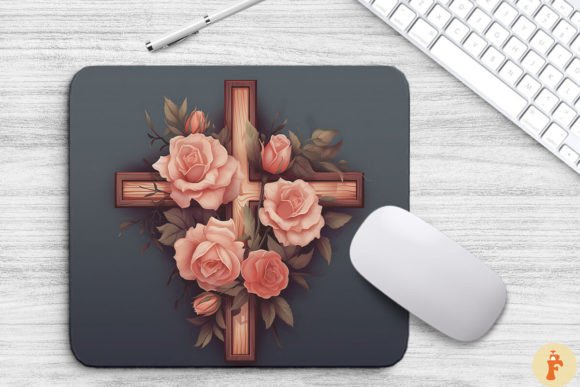
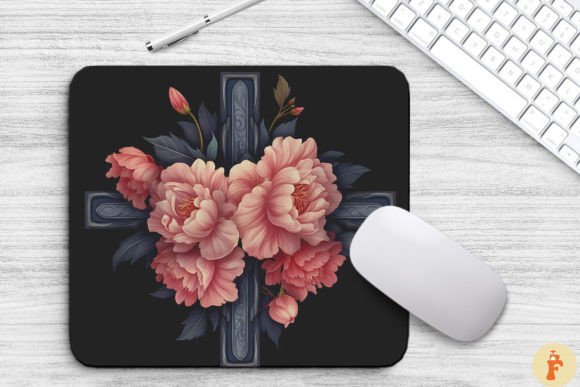
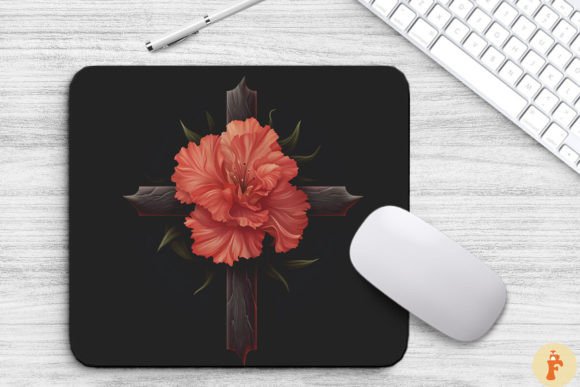
- Sublimation Design: Given its origins as a potential mouse pad or sublimation download, the color saturation appears robust. It should transfer well onto polyester fabrics and coated substrates, maintaining the warmth of the wood grain.
- Printable Design: For those creating printable wall art or devotional cards, the resolution and detail in the flower petals suggest it will hold up well in high-quality prints.
- Web Design: As a hero graphic or a section divider on a blog or landing page, it adds a touch of personality that stock photography often lacks.
However, a professional designer must also identify where an asset might struggle. While this piece is stunning, it requires careful handling in minimalist branding scenarios that demand ultra-clean lines. The texture of the wood and the organic shape of the flowers add visual "noise" that might clash with a very stark, corporate aesthetic. Furthermore, in crowded layouts or small-scale applications like favicons or tiny social media profile icons, the intricate details of the daisy petals and wood grain could become muddy. It is best reserved for large layout areas or medium-sized decorative accents where the texture can be appreciated.
Critical Designer Notes for Commercial Use
Before integrating the Wooden Cross with Daisy Flowers into a final deliverable for a client, there are several technical checks I always perform. First, contrast is king. I would test the graphic against both light and dark backgrounds to ensure the wooden tones do not disappear into a beige backdrop or look too harsh against pure black. If the file is a PNG design with transparency, I need to verify that the edges of the flowers are crisp and free from haloing artifacts, which can ruin the professional look of a sticker design or decal.
Typography pairing is another crucial consideration. This graphic pairs beautifully with script fonts that mimic handwriting, enhancing the handmade feel, or with clean sans serif fonts to create a modern juxtaposition. A heavy display font might overpower the delicate nature of the daisies, so I would use those sparingly. Additionally, if the asset is intended for cutting machines like Cricut or Silhouette, I would check if an SVG design version is available to ensure clean cut lines for vinyl applications.
Finally, and perhaps most importantly, is the licensing. When working on commercial design projects, confirming the commercial license status of any design bundle or individual asset is non-negotiable. We must ensure that the usage rights cover the specific intent, whether it is for unlimited t-shirt design sales, digital downloads, or broad marketing campaigns. Assuming a file is free for commercial use without reading the fine print is a risk no professional designer should take.
Final Verdict on Visual Hierarchy and Engagement
Ultimately, the Wooden Cross with Daisy Flowers is a strong contender for projects that rely on emotional appeal and visual trust. It signals to the audience that the brand values tradition but embraces freshness. In a sea of generic religious clipart, this illustration stands out due to its specific textural qualities and the charming interplay between the rigid cross shape and the soft floral elements. For designers working in the creative marketplace, adding such a nuanced piece to their toolkit can elevate a standard editorial design or marketing visual into something that feels curated and thoughtful. It reminds us that even in digital formats, the impression of tactile, natural materials can profoundly impact audience engagement.