Review: Mug Sublimation Design, Flowers Roses for Crafters
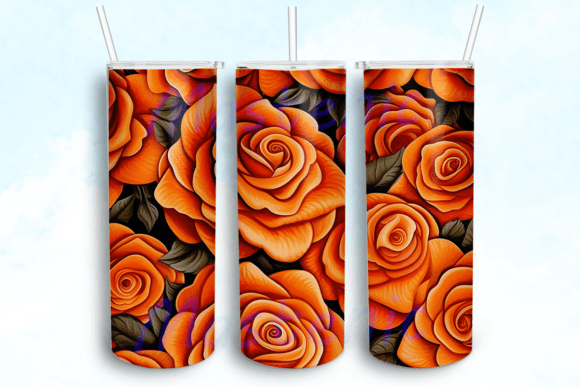
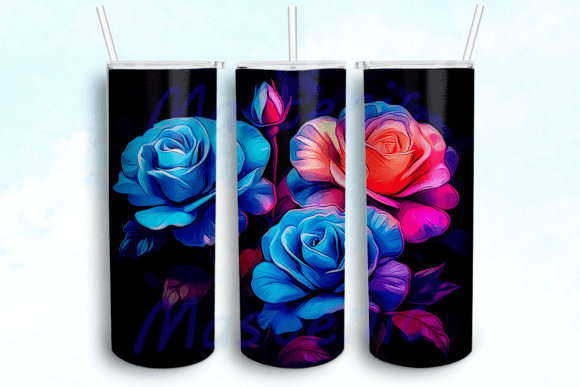
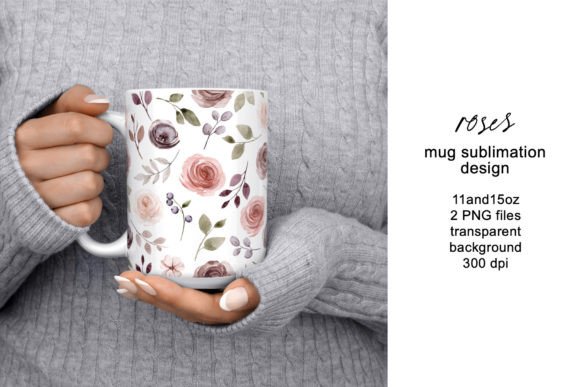
As a designer who spends most of my day staring at digitized files and thread charts, I approach every new asset with a critical eye. When I first pulled up the Mug Sublimation Design, Flowers Roses, my initial reaction was one of aesthetic appreciation rather than technical scrutiny. The watercolor style is undeniably charming, offering soft edges and a vibrant color palette that screams "boutique quality." However, my job isn't just to admire graphics; it is to determine how these Graphics translate into tangible, durable handmade products. While this specific file is marketed as a PNG for sublimation on mugs within the Crafts category, I wanted to explore its potential beyond the ceramic surface. Could this floral arrangement work as a reference for a custom machine embroidery design? Let's dive into a practical evaluation.
First Impressions and Visual Personality
The mood created by this design is distinctly romantic and fresh. The roses are not stiff or overly geometric; they possess the fluid, organic look of a hand-painted piece. For an embroiderer, this presents both an opportunity and a challenge. The layout is horizontal, measuring 8.75 x 3.75 inches, which is a generous size for an 11-ounce mug but also substantial enough to serve as a central motif on a tote bag or a sweatshirt. The visual personality is bright and inviting, making it an excellent candidate for spring collections, Mother's Day gifts, or bridal shower favors. The transparency of the background in the PNG file suggests careful isolation of the subject, which is crucial if you plan to use this as a printable mockup or trace it for digitizing.
Real-World Application: From Screen to Stitch
To truly test the viability of this asset, I imagined a real-life scenario: a client requests a coordinated set of items for a garden party, including aprons, tea towels, and canvas tote bags. While the original file is intended for sublimation, the artistic style of the Mug Sublimation Design, Flowers Roses offers a perfect blueprint for creating a custom embroidery file. If I were to digitize this based on the provided graphic, the goal would be to replicate that watercolor softness using thread.
For a tote bag design, the large scale of the roses would allow for rich fill stitch work. Using variegated threads could mimic the watercolor gradients found in the original image. On a textured canvas, the interplay between the thread sheen and the fabric weave would add depth that sublimation sometimes lacks. Similarly, for sweatshirt embroidery, the bright colors would pop beautifully against heather grey or navy fleece. The design's inherent brightness ensures high visibility, which is essential for custom apparel meant to be worn outdoors or photographed for social media.
However, we must consider the limitations. If you are using this PNG directly for heat transfer on fabric rather than embroidering it, the lack of a white underbase in a transparent PNG means it will only work well on light-colored garments. On dark fabrics, the colors would appear muted unless printed on a white vinyl carrier, which changes the hand-feel of the finished product.
Technical Considerations for Embroiderers
If you decide to use this graphic as inspiration to create or commission a corresponding digital embroidery file, several technical factors come into play. The watercolor style relies on subtle color shifts. In embroidery, achieving this requires careful management of thread colors. You might need to blend multiple shades of pink, red, and green to avoid a flat, cartoonish look.
Stitch density is another critical factor. To maintain the delicate feel of the roses, the digitizer should avoid overly dense satin stitches that could make the design feel heavy or cause puckering, especially on lighter fabrics like linen tea towels or cotton baby clothes. A mix of satin stitch for the petals and running stitch for the finer details and stems would likely yield the best results. This approach preserves the airy quality of the original art while ensuring durability.
When considering hoop size, the dimensions of the original design (8.75 inches wide) require a large hoop, such as a 5x7 or even a 6x10 depending on your machine's capabilities. If you are working with smaller items like caps or baby bibs, you would need to scale the design down significantly. Be cautious here: reducing the size too much can cause tiny details to merge together, resulting in a loss of clarity. Always test the design on scrap fabric first to ensure the stabilizer you choose can support the weight of the stitching without distorting the shape.
Navigating Fabric Textures and Product Types
The versatility of this floral theme makes it suitable for a wide range of small shop products. Imagine applying this to an embroidered patch for a denim jacket or a backpack. The curved nature of rose petals translates well to circular or oval patch shapes. For holiday embroidery, particularly Valentine's Day or Easter, this design serves as a ready-made centerpiece.
However, not all surfaces are created equal. Textured fabrics like waffle weave or heavy terrycloth can interfere with fine details. If you are stitching onto a plush blanket, the pile of the fabric might swallow the smaller running stitches. In such cases, increasing the stitch length or simplifying the outline becomes necessary. Furthermore, stretchy fabrics used in baby embroidery require robust stabilization to prevent the design from warping after washing. Since this design features organic curves, any distortion would be immediately noticeable and could ruin the aesthetic appeal.
Business Value and Customer Perception
For Etsy sellers and creative entrepreneurs, the perceived value of a product often hinges on its presentation. A design that looks professional and cohesive builds customer trust. The Mug Sublimation Design, Flowers Roses has a polished look that elevates the perceived quality of the item it adorns. Whether used as a direct sublimation print or as the basis for an embroidered creation, it signals attention to detail.
Consistency is key in branding. If you are building a boutique line around floral themes, having a matching set of mugs, towels, and apparel creates a compelling narrative for your buyers. It encourages larger basket sizes and repeat purchases. Moreover, the "giftability" factor is high; people love giving personalized items that feel unique and thoughtful. A well-executed floral design on a high-quality tote or mug checks all those boxes.
Practical Designer Notes
Before committing to a production run or listing a new item in your shop, keep these practical steps in mind:
- Verify Licensing: Always confirm the license terms before selling finished items or digital products derived from this graphic. Ensure commercial use is permitted.
- Test on Scraps: Never skip the test stitch-out. Check how the thread colors interact with your specific fabric choice.
- Check Contrast: Review the design in black and white mockups to ensure the values separate well and the details remain visible.
- Assess Density: If digitizing, ensure the stitch count isn't too high for lightweight fabrics to prevent puckering.
- Confirm Dimensions: Double-check that the 8.75 x 3.75-inch size fits your intended hoop and product area.
- Consider Washability: For items like kitchen towels or baby clothes that need frequent washing, ensure the edges are secure and the threads are colorfast.
In conclusion, while the Mug Sublimation Design, Flowers Roses is explicitly sold as a sublimation asset, its artistic merit makes it a valuable resource for the broader crafting community. With thoughtful adaptation and technical precision, it can transcend its original format to become a stunning element in your commercial embroidery projects or handmade gift lines. It is a reminder that good design is versatile, waiting for a skilled creator to bring it to life in new and exciting ways.